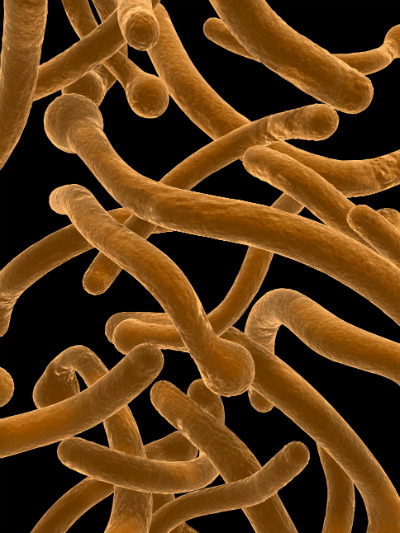
 Gut dysbiosis is an imbalance of good vs. bad bacteria, yeast and other pathogens in your intestines. This is important because most of our immune system is located in our gastrointestinal tract, as most pathogens enter our bodies through our mouths.
Gut dysbiosis can cause lowered dopamine and lowered serotonin, as well as an inability to remember something in the short term, because most neurotransmitters are made in the intestines.
It can also cause leaky gut (intestinal permeability) which means that waste products that should be pooped out are not and are instead leaking out and causing an immune response.
Gut dysbiosis also causes nutritional deficiencies and can lower thyroid function, as well as cause lowered excretion of waste through the kidneys.
In addition, it causes increased ghrelin and lowered leptin, making you feel hungrier than you should, thereby contributing to weight gain.
Toxins produced by gut pathogens impairs your liver’s ability to detoxify, and because they are stressors, your adrenal glands will produce more cortisol, leading to fatigue and an inability to handle stress.
Gut dysbiosis causes inflammation and oxidative stress, as well as damage mitochondria, thereby increasing fatigue and lowering glutathione, the body’s powerful antioxidant.
 A Paleo diet, restful sleep, a supplement regime and a low-stress life can improve mitochondrial function in patients with chronic fatigue.
  Black Americans display lower levels of vitamin D and greater pain sensitivity compared to white Americans. People with darker skin are more at risk of being deficient in vitamin D.
  Having a son with a developmental delay was very hard on me. He didn’t walk until he was 20 months old. This was extremely hard for me because he didn’t walk until 3 weeks before his little brother was born, and I was having to carry him everywhere.