 Anyone who’s spent time with a cranky child – or adult – after they’ve eaten too much candy can tell you: food definitely affects your mood.
Though we often crave sweet “comfort foods” when we’re feeling down, the truth is that sugar usually makes things worse. Spikes and crashes in blood glucose levels leave us feeling irritable, anxious, and tired a few short hours after we indulge. (New research suggests that unhealthy eating habits may even diminish your mental acuity and decision-making abilities.)
Cutting down on refined sugar is obvious. But what if there were foods that could actually boost your psychological wellbeing in the long run? According to a new study from the University of Warwick and Dartmouth College, the answer is surprisingly simple: look no farther than the produce section at your grocery store or farmers’ market.
Researchers analyzed the eating habits of about 80,000 people living in the UK and found that the more fruits and vegetables people ate, the happier they were. Controlling for other variables (such as the remainder of subjects’ diets and a range of demographic, economic, and social factors) researchers found that emotional health rose with fruit and vegetable consumption in a dose-response pattern – each additional portion of fruits and vegetables correlated with an increase in life satisfaction. The sweet spot, so to speak, was about seven servings a day.
Even more surprising was how huge the improvements were: eating more fruit and vegetables corresponded with an increase in .25 to .33 life-satisfaction points. If that sounds small to you, here’s some perspective: being unemployed produced a loss of .9 life-satisfaction points. In other words, eating lots of fruits and vegetables affects your mental wellbeing one-third as much as losing your job!
It’s still unclear exactly how this works, and correlation definitely doesn’t imply causation. But the physical benefits of eating fruits and vegetables are so overwhelmingly conclusive that this study should only act as further encouragement to fuel up on produce throughout the day. Your mood may thank you!
Have you noticed that food affects your mood? Are there any specific foods that you proactively consume or avoid?
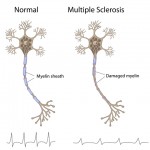 This is one of my favorite recovery stories, as it shows how powerful food can be in recovering from an extremely debilitating chronic illness like multiple sclerosis.
 A gluten-free diet may be all that’s needed to eliminate signs and symptoms of type I diabetes.
 I love this Moroccan-inspired chicken charmoula! Its light, tangy flavor is a tasty way to get some extra greens into your diet.
 These egg-free coconut macaroons are a treat for those on the GAPS, SCD, Paleo, grain-free, dairy-free and/or gluten-free diets.
 Restoring your adrenal health can improve your mood, metabolism, and immune function. “Common warning signs to look out for include:
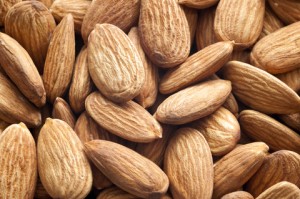 Cardamom lends a pleasant surprise to these GAPS/SCD-legal almond puffs; they’re also suitable for those on a gluten-free, Paleo or grain-free diet.
 Between 5% and 8% of children and young adults in the world have ADHD.
  Having a son with a developmental delay was very hard on me. He didn’t walk until he was 20 months old. This was extremely hard for me because he didn’t walk until 3 weeks before his little brother was born, and I was having to carry him everywhere.