 The Food and Drug Administration (FDA) has just announced proposed changes to the nutrition label. Overall, I think these changes might make a positive and meaningful difference to our country’s health, at least to those who pay attention to food labels. Here’s a breakdown of what I think are the positive changes:
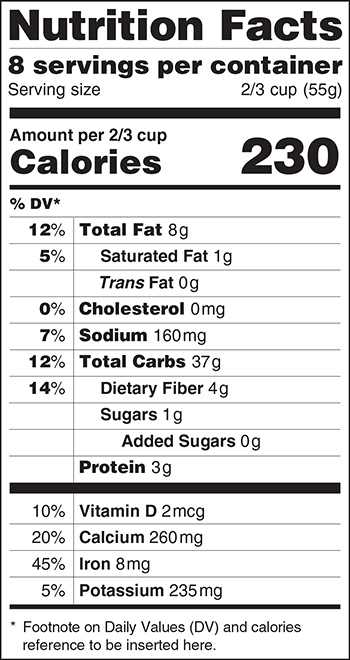
- More accurate serving size. This is the big winner here because it reflects what people currently eat in one sitting. Most people don’t carefully measure out ½ cup of ice cream for a serving; they eat half the pint instead, so the new label will reflect that reality.
- Big emphasis on “Total Calories”. This will be in a much-larger font size so that it really grabs your attention. It’s kind of like the angel on your shoulder saying, “Do you REALLY want to eat that many calories?”
- The addition of “Added Sugars” to the label. Now people will know exactly how much sugar that food manufacturers have been adding to our food. The problem with our misguided focus on eating low-fat foods is that it comes with the added cost of nasty chemicals to achieve the same “mouth-feel” as well as added sugar. Fat and sugar both make food taste better. If you’re taking out one (fat), you’re likely replacing it with more of the other (sugar).Rhetorical question: Is it coincidental that at the same time we’ve been eating low-fat foods (remember, saturated fats were supposed to have been causing cardiovascular disease), there has been a skyrocketing epidemic of heart disease, type 2 diabetes and obesity? I think not! It’s the sugar, folks! And many times, it’s not listed as “sugar” on the ingredient label, so it can be tricky to figure out just where those calories are coming from.
- Elimination of “Calories from Fat”. Unfortunately, we’ve become fat-phobic in this country, as I explained above. I wish we could become sugar-phobic instead, but sugar causes a dopamine rush, meaning that eating it is addictive and makes you (temporarily) feel good, so that’s probably not going to happen!
- The addition of “Vitamin D” RDA percentage. This country is in the midst of a vitamin-D epidemic deficiency, and it’s a factor that plays a large part in the epidemics of autism, allergies, asthma and autoimmune diseases, so having people pay attention to vitamin-D rich foods is a plus. I’m betting, however, that most of them will be supplemented with synthetic vitamin D (vitamin D2) instead of the natural form (vitamin D3), so this is going to create another game for food manufacturers: they will probably just add a lot of synthetic vitamin D so they can claim that it’s “rich in vitamin D”.
- The addition of “Potassium” RDA percentage. Potassium lowers blood pressure, so it’s a good idea to put this on the label, especially since so many people (young ones, too!) have hypertension these days.
The problem is that some people just don’t pay attention to food labels and portion sizes. They’re going to eat whatever portion is set in front of them, which is why ex-mayor Bloomberg of New York tried to tax soft drinks over 8 ounces – do we really need to drink a Big Gulp? The documentary “Super Size Me” did a great job of showing us how this kind of portion creep is making us fatter.
Nutrition-label improvements are mostly a moot point for me, personally, as I don’t buy very many foods that come with a food label on them. I recommend you do the same.
This is a guest-blog post I wrote for Dr. Henri Roca, MD.
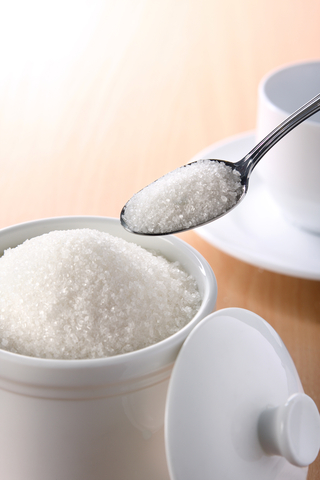 I’ve said it before, and I’ll say it again: Sugar is as addictive as drugs! Sugar activates the same pleasure centers in your brain that hard drugs like morphine and heroin do, and you get a dopamine rush from consuming it. No wonder it’s so hard to give up!
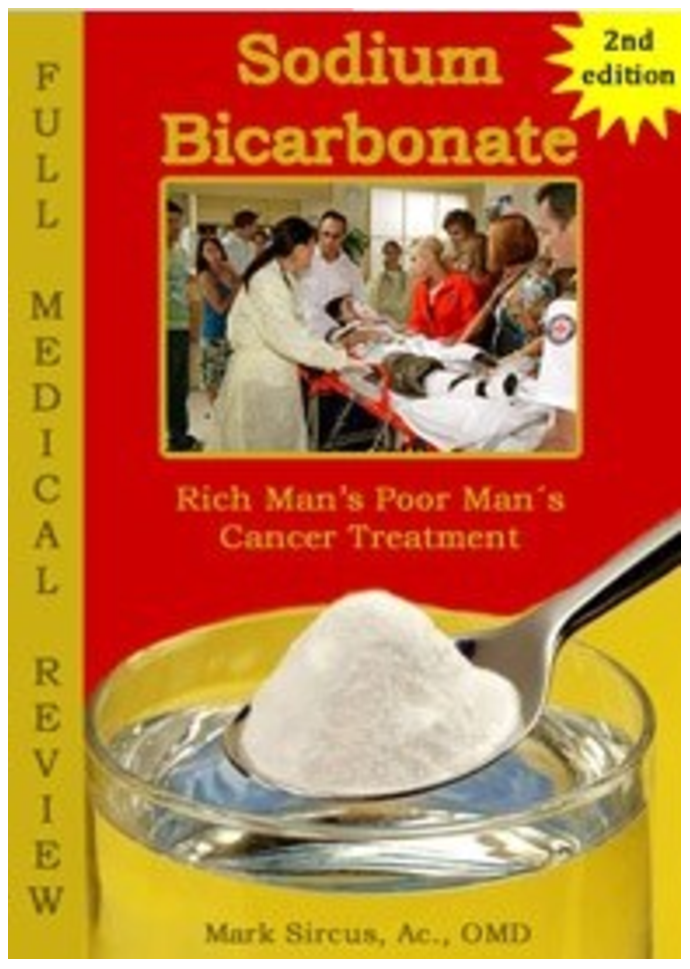 I have to say, I was fascinated with the material in Dr. Mark Sircus’ book, “Sodium Bicarbonate: Rich Man’s, Poor Man’s Cancer Treatment” because it provides a fundamental framework for understanding the nature of disease: that chronic health conditions and diseases arise from an acidic state of the body.
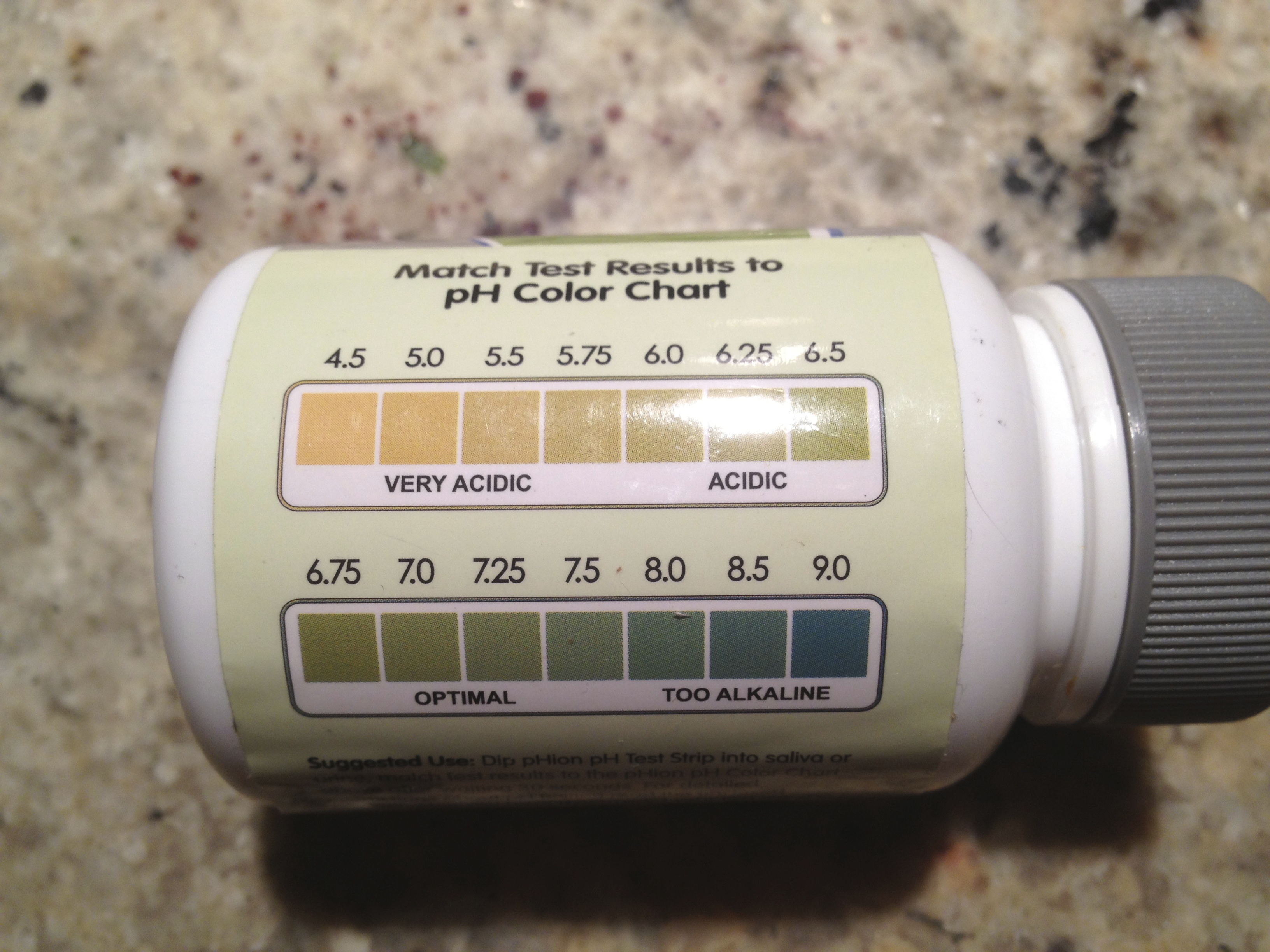 pH testing is an easy way to determine your level of health. I’ve got some
  I’ve been chelating to remove heavy metals for a while now. I had myself retested back in January 2011, and my levels of heavy metals had declined significantly.
 Believe it or not, acid reflux medication dangers are real, and these medications do major harm to your body. Shocking, right?
 Recent research has found no link between salt consumption and an increased risk of death or cardiovascular disease. I recommend using a non-white sea salt or a land salt, like Himalayan pink salt, because these salts contain trace minerals vital to our health and often missing from our diets.
 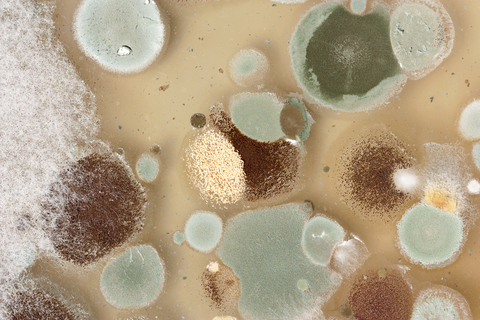 In the wake of hurricanes and floods, mold remediation will be at the top of the list of many people’s cleanup efforts. Exposure to mold can cause significant health problems, both acute and long-term.