 A recent study found that inflammation (there’s that word again) is responsible for bad bacteria gaining a strong foothold in the gut.
Intestinal inflammation produces nitrate, which then feeds these bad bacteria and thus worsens intestinal damage while crowding out probiotic bacteria.
When bad bacteria multiply and take over, a condition known as gut dysbiosis, they can cause a multitude of symptoms such as cramping, bloating, diarrhea and abdominal pain.
These symptoms are common in disorders like colic, ulcerative colitis, inflammatory bowel disease and Crohn’s disease.
Thus, learning to control inflammation is a key component of getting these conditions under control.
 “Failure to thrive” is when your child’s weight percentile falls to the 3rd percentile or below or when it crosses 2 or more major percentile curves. When either of these (or both, as in the case of my older son) happens, it’s an indication that the child is not growing as he or she should be.
 Because of my son’s failure to thrive, our pediatrician sent us to see
  A few months ago, my then-6-year-old son had a definite change in his typically sweet personality for the worst.
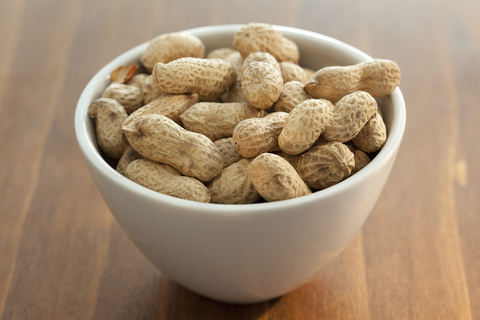 I remember when I was growing up in the 1970’s (ahem) that no one had allergies, let alone an allergy to peanuts. Now, if you go to a school, you’ll see “nut-free classrooms” and “nut tables” in the cafeteria.
 Yet more research is coming to light about the damaging effects of heavy metals. A
  A
A  A deficiency of vitamin D has now been linked to yet another chronic condition:
  Yet another study shows that C sections and feeding your baby formula instead of breastmilk can change your baby’s gut flora for the worse, leading to gut dysbiosis.