 I want to let you know what the Documenting Hope Project means to me: hope.
By making this film in which we will document the potential recovery of 14 children from autism, ADHD, asthma, atopic dermatitis, mood disorders, juvenile RA and type 2 diabetes, I believe people will come to know what I do: that recovery is possible.
If you know that recovery is possible, then you have hope.
In this film, we’ll be rigorously documenting the therapies, lab work, diets, healing modalities and biomedical approaches that are used in each child’s healing protocol.
I wish something like this had been around when my boys were younger. Back then, it was enough for me to figure out finally that they had Sensory Processing Disorder, which I call “almost autism”.
It took loads of research on my end to understand that their developmental delays, hypotonia, asthma, allergies, eczema, failure to thrive, projectile vomiting and acid reflux were all related.
It took even more researching and networking to discover that recovery from autism is possible. If kids can be recovered from autism, and Sensory Processing Disorder is like a subset of autism, then my boys could be recovered from SPD.
I discovered a hidden world of what’s called the “biomedical” approach to healing, which is what functional medicine is: Getting to the root cause of a symptom, illness or disorder.
The problem was, and is, that most doctors just don’t know about this type of approach. Thankfully, functional medicine doctors like Dr. Mark Hyman, Dr. Susan Blum and Dr. Frank Lipman are showing us that food is medicine and that toxicity, gut dysbiosis, hormonal imbalances and nutritional deficiencies are the ultimate causes of just about any kind of chronic disease or disorder.

 Now, you might think it strange that I’m writing a book review for “The Diet Cure” by Julia Ross. While I am a health coach, I don’t specialize in weight loss. Instead, I specialize in helping people recover from symptoms of chronic neurological and/or autoimmune issues like autism, ADHD, allergies, asthma, SPD, lupus, fibromyalgia, Lyme and more.
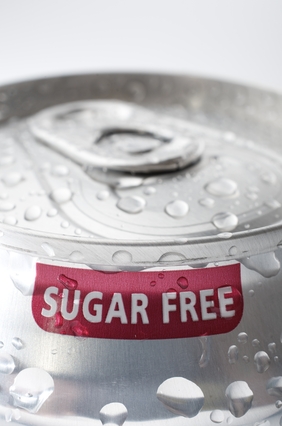 I saw another pleasant surprise in today’s Wall Street Journal: sales of diet sodas fell for the ninth straight year because more consumers are increasingly becoming wary of aspartame, the artificial sweetener used in diet sodas “despite decades of studies by the Food and Drug Administration and other government agencies”.
 I was pleasantly surprised to see an article in the Wall Street Journal: “A Delicious Prescription: Chefs and Doctors Are Teaming Up to Create Health Food You Might Actually Crave.”
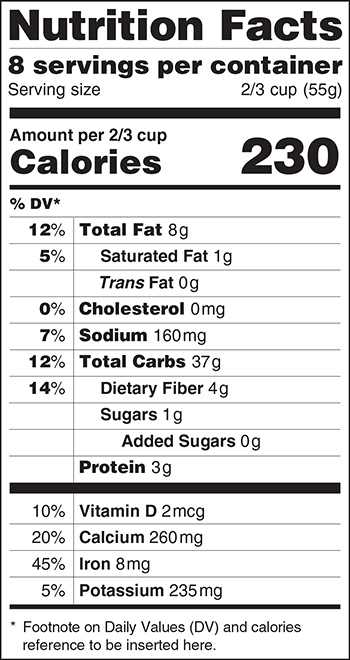 The Food and Drug Administration (FDA) has just announced proposed changes to the nutrition label. Overall, I think these changes might make a positive and meaningful difference to our country’s health, at least to those who pay attention to food labels. Here’s a breakdown of what I think are the positive changes:
 Formaldehyde in Johnson and Johnson products? For decades, Americans have come to believe that Johnson and Johnson’s products are perhaps the best choice for their babies. I know that when my boys were little, I was given lots of little samples of their shampoos, body washes and powders for babies.
 If you have a cold or sinus infection, using a neti pot is one of the best things you can do to relieve your congestion and infection. You’re probably wondering, though, “How do I use a neti pot?”
 I interviewed Jennifer Margulis, author of “The Business of Baby: What Doctors Don’t Tell You, What Corporations Try to Sell You, and How to Put Your Pregnancy, Childbirth and Baby Before Their Bottom Line”.