 I’m sorry to say that most people just don’t know this. I didn’t either, despite the fact that it was published by the Environmental Working Group (EWG) in 2005, the year my older son was born.
In their landmark report, Body Burden: The Pollution in Newborns, the EWG pointed out that an AVERAGE of 200 toxic chemicals were in the cordblood of newborns, meaning that there is only one place these could have come from: the mother.
They found a total of over 280 carcinogens, heavy metals, endocrine disruptors, plastics, neurologically damaging pesticides and other nasties in these babies.
I remember telling our former pediatrician about the shocking levels of heavy metals that I had discovered in myself and my sons. She said, “But you don’t live in a toxic waste dump!”
The point is, I don’t think you have to anymore to be this toxic because we’re all being exposed to these toxicants on a daily basis, then unknowingly passing them onto our children, whose toxin load will accumulate over time, and they’ll pass it on to their children.
It’s one of the main reasons we’re seeing such an epidemic of chronic illnesses like cancer and autoimmune diseases as well as developmental delays and disorders such as autism, ADHD, PDD-NOS and sensory processing disorder in children these days.
The good news is that people can be recovered from these conditions. I’ve recovered my own sons from sensory processing disorder, asthma, eczema and acid reflux.
Here’s the trailer from the well-thought-out documentary, “Unacceptable Levels“. It’s 2 minutes long and worth it for you to get a glimpse of what’s going on.

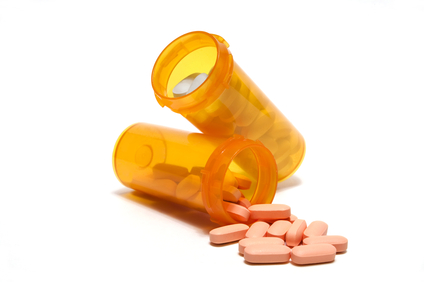 Statins are increasingly being prescribed to bring down high cholesterol levels, which are thought by many in the medical community to be dangerous. I disagree.
  Learn how toxins and lifestyle factors contribute to autism, PDD-NOS, ADHD, sensory processing disorder, hypotonia, retained reflexes and developmental delays.
 They’re oh so cute, but oh so toxic. 75% of children’s Disney, Spider-Man and Dora the Explorer back-to-school products had high levels of phthalates. Phthalates give plastics that “rubber ducky” feel.
 A new study strengthens the tie between breast cancer and toxic exposures to plastics and carcinogens in the workplace.