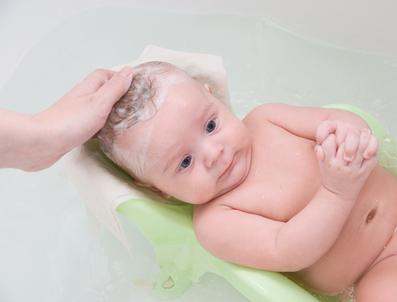
 Formaldehyde in Johnson and Johnson products? For decades, Americans have come to believe that Johnson and Johnson’s products are perhaps the best choice for their babies. I know that when my boys were little, I was given lots of little samples of their shampoos, body washes and powders for babies.
Now, Johnson and Johnson is finally yielding to pressure and changing the formulas of their personal-care products to remove known carcinogens: formaldehyde (released by the ubiquitous quaternium-15) and 1,4-dioxane. WHY WERE THESE ALLOWED TO BE IN THERE IN THE FIRST PLACE?
I think it’s because we’ve collectively fallen asleep at the wheel. I think most Americans assume, as I used to, that if it’s sold in a store, it must be safe because surely the FDA has tested it for safety. NOT TRUE.
Most people don’t know that ingredients applied to your skin bypass the liver, meaning that those toxins are free to float around your baby’s body and inflict harm.
The sad thing is that we’ve placed our trust in this and other companies because we’ve been led to believe, by millions of dollars spent on marketing and advertising, that their products are safe.
The really sad thing is that our children are being born pre-polluted, and adding known carcinogens to their personal-care products is only hastening the time that they reach toxic overload. This is one of the, if not THE, main reason why there is an epidemic of children’s chronic illnesses today, such as autism, ADHD, allergies, asthma and autoimmune. As Jon Stewart said, “And that’s just the A’s”.
 I interviewed Jennifer Margulis, author of “The Business of Baby: What Doctors Don’t Tell You, What Corporations Try to Sell You, and How to Put Your Pregnancy, Childbirth and Baby Before Their Bottom Line”.
 I’m sorry to say that most people just don’t know this. I didn’t either, despite the fact that it was published by the Environmental Working Group (EWG) in 2005, the year my older son was born.
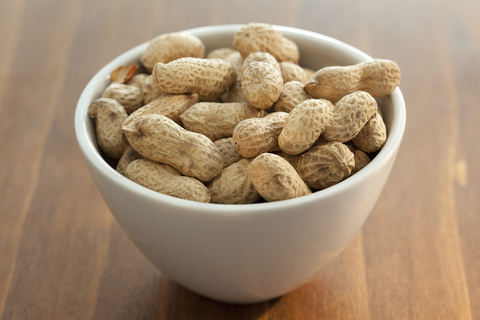 I remember when I was growing up in the 1970’s (ahem) that no one had allergies, let alone an allergy to peanuts. Now, if you go to a school, you’ll see “nut-free classrooms” and “nut tables” in the cafeteria.
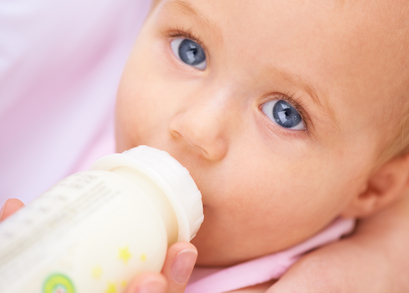 Yet another study shows that C sections and feeding your baby formula instead of breastmilk can change your baby’s gut flora for the worse, leading to gut dysbiosis.
 Learn how toxins and lifestyle factors contribute to autism, PDD-NOS, ADHD, sensory processing disorder, hypotonia, retained reflexes and developmental delays.
 Iron deficiency is often linked to ADHD symptoms. Premature babies given supplemental iron are less likely to develop ADHD later in life.
  It’s a bad idea to take antibiotics during pregnancy. Children whose mothers took antibiotics during pregnancy are more likely to develop asthma, as well as autism, ADHD, learning disabilities, dyslexia, arthritis, allergies, depression, bipolar disorder, eczema, kidney problems, schizophrenia, acid reflux, colic and autoimmune disorders.
 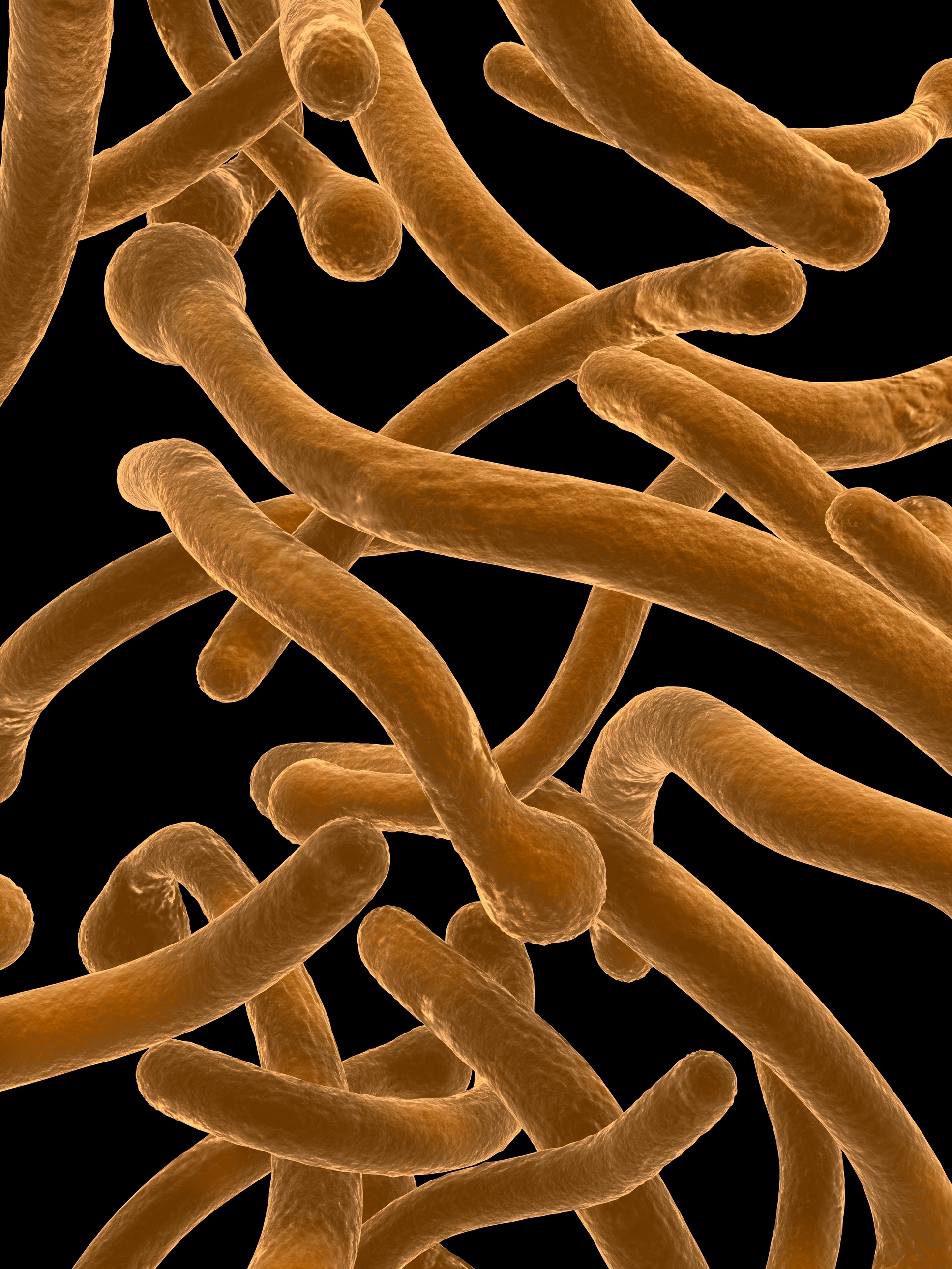 The diversity of GI flora in infants remained diminished 8 weeks after antibiotic treatment.